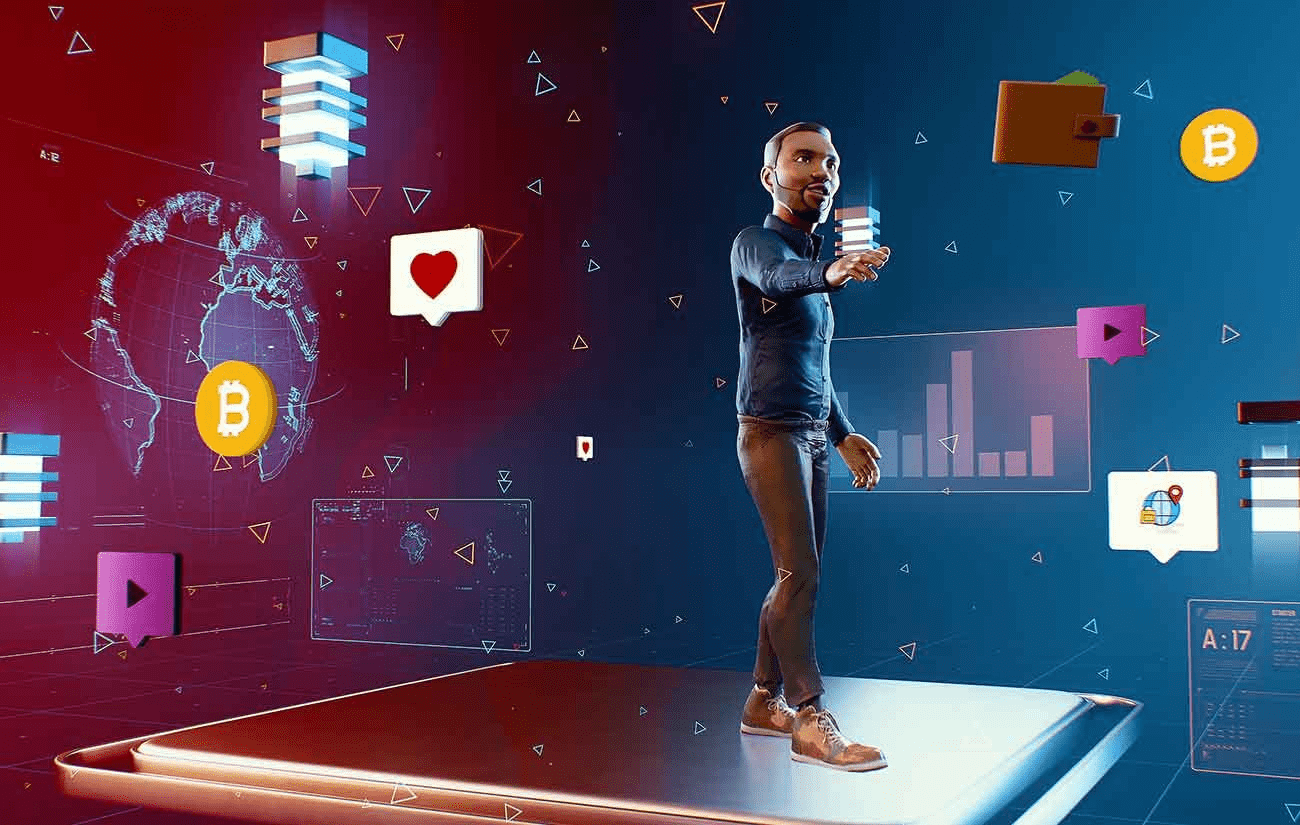
The Evolving Landscape of Next-Gen Living
Next-gen living isn't a singular concept but a convergence of several key trends. These include remote work, smart home technology, advancements in healthcare, and the increasing importance of digital connectivity. Understanding these trends is crucial for adapting to and leveraging the opportunities they present.
Remote Work Revolution
The shift towards remote work has been a significant catalyst in redefining where and how we live. With increased flexibility, individuals are no longer tied to specific geographic locations, leading to a decentralization of urban centers and a rise in popularity of smaller towns and rural areas. This freedom allows for a greater emphasis on personal well-being and a better work-life balance. According to a recent study by [cite study on remote work productivity], remote workers often report higher levels of job satisfaction and productivity.
Smart Home Integration
Smart home technology is playing an increasingly important role in next-gen living, offering convenience, efficiency, and enhanced security. From automated lighting and temperature control to advanced security systems and voice-activated assistants, these technologies are designed to simplify daily tasks and improve overall quality of life. Consider the impact of personalized environments with adaptive lighting controlled by circadian rhythm algorithms.
Healthcare Innovations
Telemedicine, wearable health trackers, and personalized medicine are revolutionizing healthcare delivery and empowering individuals to take greater control of their health. Remote monitoring devices allow healthcare providers to track patients' vital signs and detect potential health issues early on, while personalized medicine tailors treatment plans based on an individual's genetic makeup and lifestyle. This proactive approach to healthcare is leading to improved health outcomes and a longer lifespan.
The Hyperconnected World
The proliferation of high-speed internet and mobile devices has created a hyperconnected world, where individuals can stay connected with friends, family, and colleagues regardless of their location. Social media, online communities, and video conferencing tools have become essential for maintaining relationships and collaborating on projects. However, it's also important to be mindful of the potential downsides of constant connectivity, such as information overload and social isolation.
Practical Guidance: Adapting to Next-Gen Living
Evaluating Remote Work Opportunities
If you're considering a remote work arrangement, it's important to evaluate the opportunity carefully. Consider the following factors:
- Company Culture: Does the company have a supportive remote work culture?
- Communication Tools: Does the company provide the necessary communication tools and technology?
- Work-Life Balance: Does the remote work arrangement allow for a healthy work-life balance?
- Career Development: Does the company offer opportunities for professional development and advancement for remote workers?
Selecting Smart Home Technologies
When choosing smart home technologies, prioritize your needs and budget. Start with the basics, such as smart lighting and thermostats, and gradually add more advanced features as needed. Consider the following factors:
- Compatibility: Ensure that the devices are compatible with your existing technology infrastructure.
- Security: Choose devices with strong security features to protect your privacy.
- Ease of Use: Opt for devices that are easy to install and use.
- Energy Efficiency: Select energy-efficient devices to reduce your energy consumption and save money.
Navigating Telehealth Services
Telehealth services offer a convenient way to access healthcare from the comfort of your own home. However, it's important to choose a reputable telehealth provider and understand the limitations of virtual consultations. Consider the following factors:
- Provider Credentials: Verify the provider's credentials and experience.
- Scope of Services: Understand the scope of services offered by the telehealth provider.
- Privacy and Security: Ensure that the telehealth provider has robust privacy and security measures in place.
- Cost: Compare the cost of telehealth services with traditional in-person consultations.
Managing Digital Wellbeing
In a hyperconnected world, it's essential to manage your digital wellbeing and avoid becoming overwhelmed by information overload. Consider the following tips:
- Set Boundaries: Establish clear boundaries between work and personal life.
- Limit Screen Time: Reduce your screen time by taking regular breaks and engaging in offline activities.
- Practice Mindfulness: Practice mindfulness techniques to reduce stress and improve focus.
- Connect in Person: Make an effort to connect with friends and family in person.
Long-Term Considerations for Next-Gen Living
Maintaining Smart Home Technology
Smart home technology requires regular maintenance to ensure optimal performance and security. This includes updating software, replacing batteries, and troubleshooting technical issues. Consider the long-term costs of maintenance and repair when selecting smart home devices.
Addressing Data Privacy Concerns
As we become increasingly reliant on technology, it's important to be aware of the potential risks to our data privacy. Take steps to protect your personal information by using strong passwords, enabling two-factor authentication, and reviewing the privacy policies of the apps and services you use. [Link to reputable resource on data privacy].
Adapting to the Changing Job Market
The job market is constantly evolving, and it's important to adapt to the changing skills and demands. Invest in lifelong learning to stay relevant and competitive in the workforce. Consider developing skills in areas such as artificial intelligence, data analytics, and cybersecurity.
Planning for Retirement in a Next-Gen World
Retirement planning in a next-gen world requires a different approach than traditional retirement planning. Consider the impact of longer lifespans, rising healthcare costs, and the potential for inflation on your retirement savings. Explore alternative investment strategies and consider working part-time in retirement to supplement your income. A financial advisor can help you navigate these complex issues and create a personalized retirement plan.
Example Budget for Next-Gen Living
This is a sample table showing estimated expenses for someone embracing Next-Gen living. All costs are approximations and are subject to change.
| Expense Category | Estimated Monthly Cost (USD) | Notes |
|---|---|---|
| High-Speed Internet | $75 | Essential for remote work and smart home devices. |
| Smart Home Subscription (Security, Automation) | $50 | Covers monitoring, data storage, and software updates. |
| Telehealth Subscription | $30 | Access to virtual consultations and remote monitoring. |
| Co-working Space (if applicable) | $200 - $500 | For those who need a dedicated workspace outside the home. |
| Cybersecurity Software and Services | $20 | Antivirus, VPN, and identity theft protection. |
| Digital Wellbeing Apps/Services | $10 | Mindfulness apps, screen time trackers. |
| Subscription Services (Entertainment, Productivity) | $100 | Streaming services, productivity software, online courses. |
FAQ: Navigating Next-Gen Living
- Q: How can I ensure the security of my smart home devices?
- A: Choose devices with strong security features, update software regularly, and use strong passwords. Enable two-factor authentication whenever possible and be mindful of the information you share with smart home devices.
- Q: What are the benefits of using telehealth services?
- A: Telehealth services offer convenience, cost savings, and improved access to healthcare, especially for individuals in rural areas or those with mobility issues. They also offer the opportunity for more frequent monitoring of chronic conditions.
- Q: How can I maintain a healthy work-life balance while working remotely?
- A: Set clear boundaries between work and personal life, establish a dedicated workspace, take regular breaks, and prioritize self-care activities. Communicate your boundaries to colleagues and family members.
- Q: What are the potential downsides of constant connectivity?
- A: Constant connectivity can lead to information overload, stress, social isolation, and a blurring of the lines between work and personal life. It's important to be mindful of your digital habits and take steps to disconnect regularly.
- Q: How can I prepare for the future of work in a next-gen world?
- A: Invest in lifelong learning, develop skills in high-demand areas, network with professionals in your field, and be open to new opportunities. Embrace adaptability and a growth mindset.
Disclaimer: This information is for informational purposes only and should not be considered professional advice. Prices and availability are accurate as of 2025 and are subject to change.
Sources
- [World Economic Forum - The Future of Jobs Report 2023](https://www.weforum.org/reports/the-future-of-jobs-report-2023/)
- [Pew Research Center - Internet & Technology](https://www.pewresearch.org/internet/)
- [National Institute on Aging - Healthy Aging](https://www.nia.nih.gov/health)